
In Texas, the county appraisal district values property as it stands on January 1 each year, so a home under construction is taxed in stages. The land is taxed first, any work in place on January 1 can be added, and the finished house is valued in a later year. A homestead exemption follows once you own the home and live in it as your principal residence.
Key takeaways
- Appraisal districts value property as of January 1, and ownership on that date decides who owes the tax.
- A house that is partly built on January 1 may carry some improvement value for that year.
- The general residence homestead exemption requires ownership and use as your principal residence.
- Changing land with an agricultural appraisal to a homesite can trigger a rollback tax.
- Budget the land tax bill as a carrying cost for the whole build.
When does a new house show up on the tax roll?
The answer comes down to one date. The Texas Comptroller's property tax basics page explains that appraisal districts appraise your property's value as of Jan. 1 each year, and that market conditions and who owns the property on that date determine whether it is taxable, the value at which it can be taxed, and who pays.
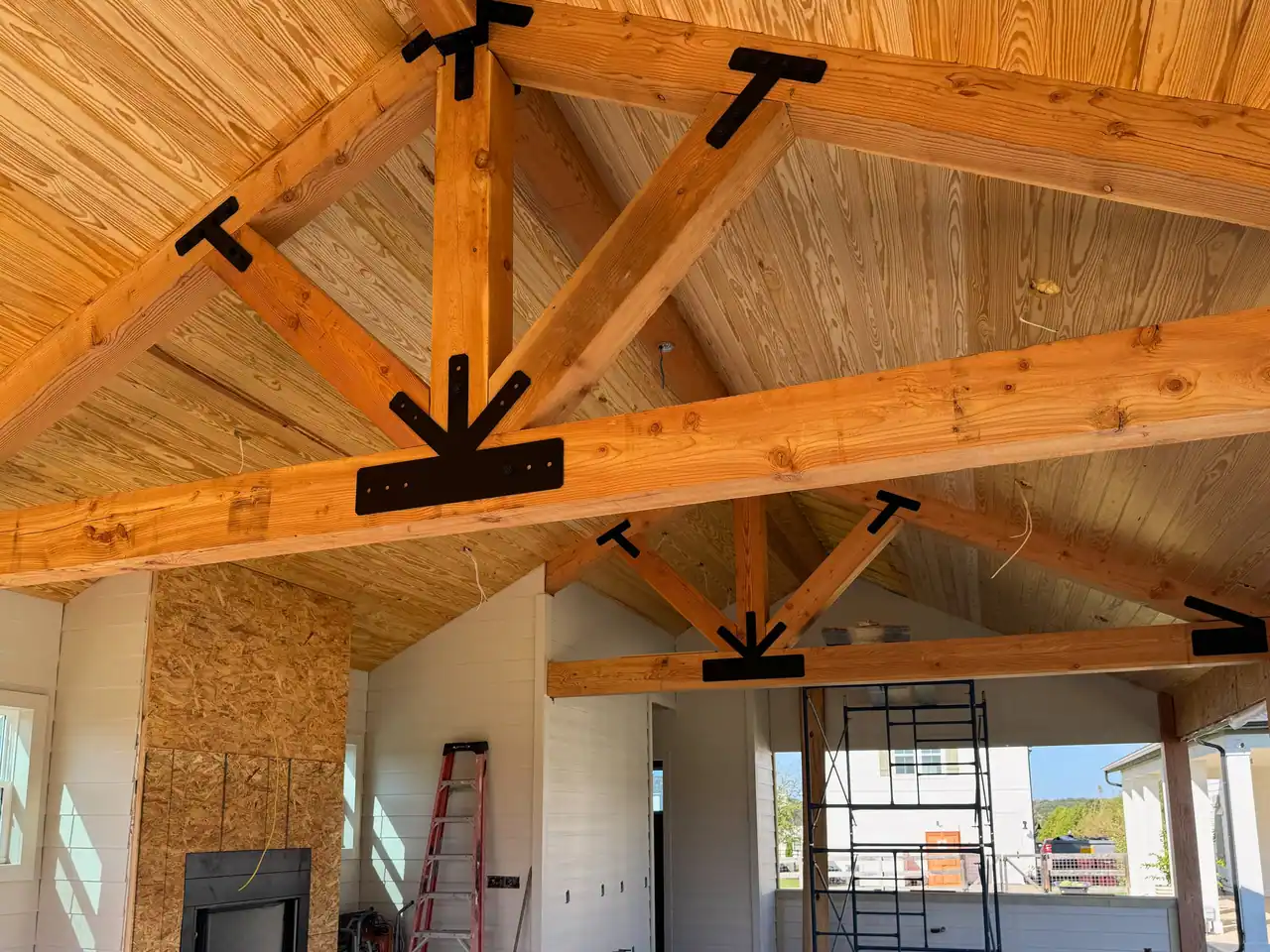
For a custom home, that means each January 1 is a snapshot. If the lot is still raw on that date, the appraisal notice for the year generally reflects the land. If a slab and framing are standing, the district may add value for the work in place. Once the house is finished, it is valued in full the following January. Each appraisal district sets its own methods for partly finished improvements, so ask the district in your county, such as the Hays County or Travis County appraisal district, how it handles a home under construction.
When can you claim the homestead exemption on a new home?
The homestead exemption is tied to living in the house, not to owning the lot. The Comptroller's exemptions page says that to qualify for the general residence homestead exemption, a person must have an ownership interest in the property and use it as their principal residence. The same page notes that Tax Code Section 11.13(b) requires school districts to provide a $140,000 exemption on a residence homestead, and that other taxing units may adopt a local option exemption.
While you are still building and living somewhere else, the new home generally does not qualify. Once you move in, file the application with the appraisal district in the county where the home sits. The Comptroller lists the general deadline for exemption applications as before May 1, and it describes a prorated option for an owner who acquires a property after January 1. Ask your appraisal district how that applies to a house you build on land you already own.
What happens to an agricultural valuation when you build?
Many Hill Country acreage tracts carry a special agricultural or wildlife management appraisal, which taxes the land on its productive value instead of market value. Building a house changes how part of that land is used. According to the Comptroller's agricultural and timber appraisal page, when land receiving an agricultural appraisal changes to a non-agricultural use, the owner who changes the use owes a rollback tax for each of the previous three years in which the land got the lower appraisal. The tax is the difference between what was paid on the agricultural value and what would have been paid on market value.
The same page notes that land qualifying under the older 1-d category also incurs interest on top of the rollback tax. Before you buy acreage near Dripping Springs, Wimberley, or Spicewood with an ag valuation, ask the appraisal district how much of the tract it would treat as a homesite, and whether the remaining land can keep its special appraisal. Our guide to buying Hill Country land covers other questions to ask before closing.
How should you budget for taxes during the build?
Treat property tax as a carrying cost, like construction loan interest and insurance. The Comptroller explains that many counties collect property taxes around October 1, that taxpayers generally have until January 31 of the following year to pay, and that penalty and interest begin on February 1 for most unpaid bills.
A build that crosses one or two January 1 dates can produce a land only bill, then a bill with partial improvement value, then a full bill on the finished home. Ask your lender how taxes are handled during the construction loan and after it converts or is paid off. Our construction loan guide walks through how those loans are structured, and the Central Texas cost guide covers the other soft costs that sit outside the construction contract.
Can you protest the value of a home that is not finished?
Yes, the same protest process applies. The Comptroller's basics page explains that the appraisal review board, a board of local citizens, hears disagreements between owners and the appraisal district about a property's value, and that hearings begin around May 15. If a notice values a half built house as if it were complete, photos and dated progress records from your builder can help show its real condition on January 1.
Keep a simple file during construction: the closing papers for the lot, any ag valuation paperwork, the date you moved in, and progress photos near each January 1. That record helps with a protest, with the homestead application, and with any question about a change of use. These steps apply to a custom home on acreage or a smaller lot, and the service area guides list the counties around each town.
Frequently asked questions
Do you pay property tax on a house that is still being built in Texas?
Usually you pay tax on the land and on whatever improvement value the appraisal district assigns as of January 1. A house that is partly built on that date may carry partial value, and the finished home is valued in full the following year.
Can I get a homestead exemption before I move into my new home?
Generally no. The Comptroller says the general residence homestead exemption requires an ownership interest and use of the property as your principal residence. File with your county appraisal district once you live in the home.
Will building a house end my agricultural valuation?
It can for the part of the land that changes use. The Comptroller explains that changing ag appraised land to a non-agricultural use triggers a rollback tax for the previous three years. Ask the appraisal district how much of the tract it will treat as a homesite.
Who should I call about how my new home will be valued?
Call the appraisal district in the county where the property sits, such as Hays, Travis, Blanco, or Comal County. Appraisal districts process exemption applications and special appraisals and can explain how they handle partly finished homes.
Taxes are one of several carrying costs that are easier to plan before the first draw. Use Build Studio to sketch a project budget, or contact Ridge Rock Builders to talk through a lot or home in the Hill Country.