The Ridge Rock process
A clear path from the first land walk to the last punch-list item.
Every phase has clear decisions, responsibilities, and a finish line. You should know what is complete, what still needs an answer, and what comes next.
Before the phases
Four rules protect the whole build.
01
Deal with problems early
Bad site news, a budget conflict, or a difficult detail gets more expensive when everyone waits to say it plainly.
02
Price what is actually included
A low number built on missing work is not a better number. Assumptions and boundaries need to be visible.
03
Know who owes the next answer
Every open item needs the responsible person, required information, a due date, and the consequence of waiting.
04
Plan more than the house
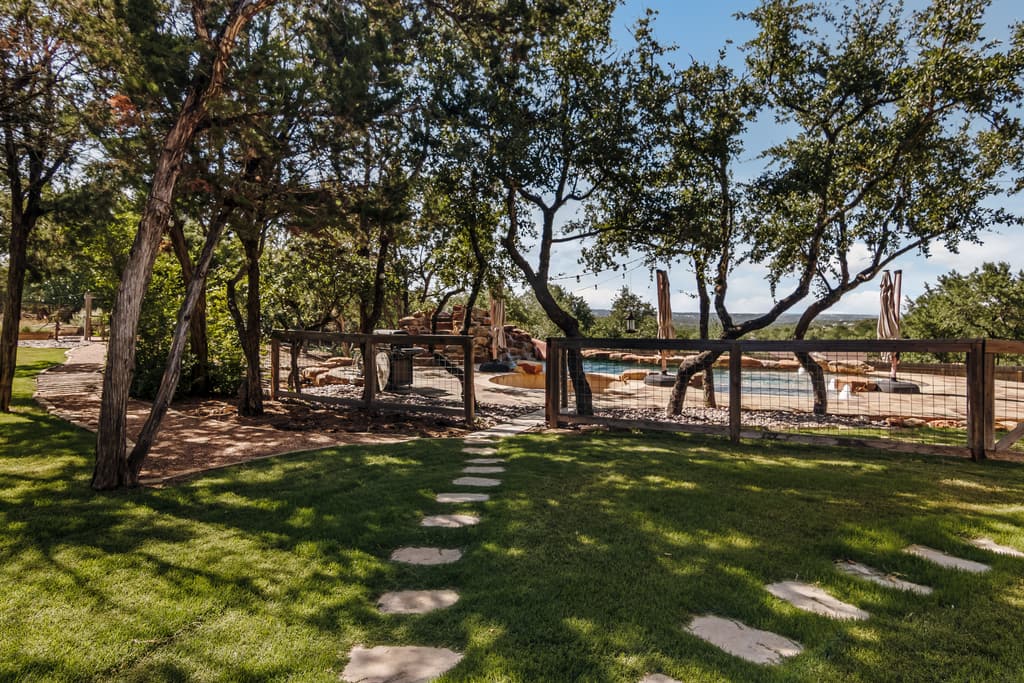
The building, access, utilities, drainage, exterior work, and future phases must work as one system.
Accountability in the field
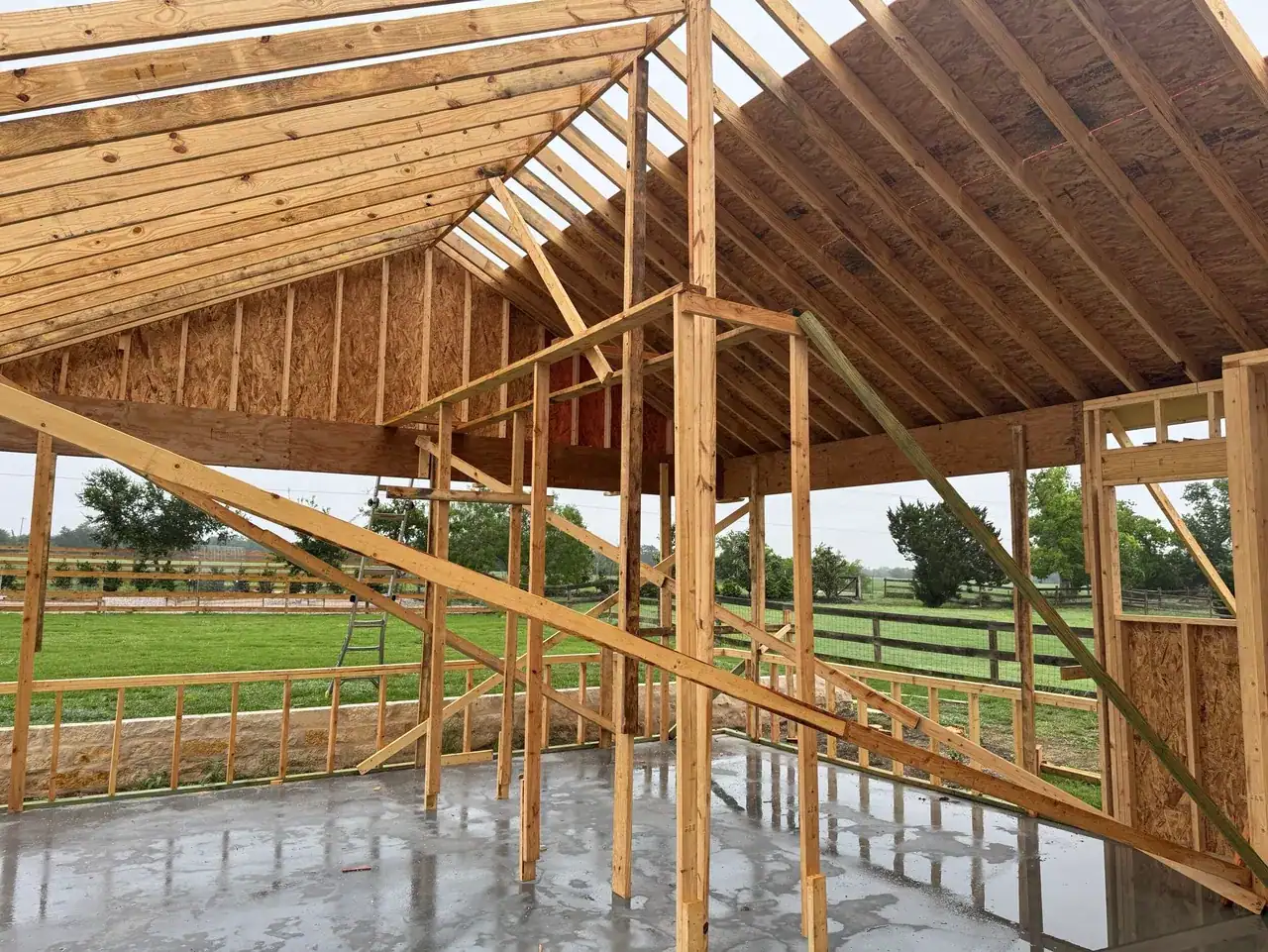
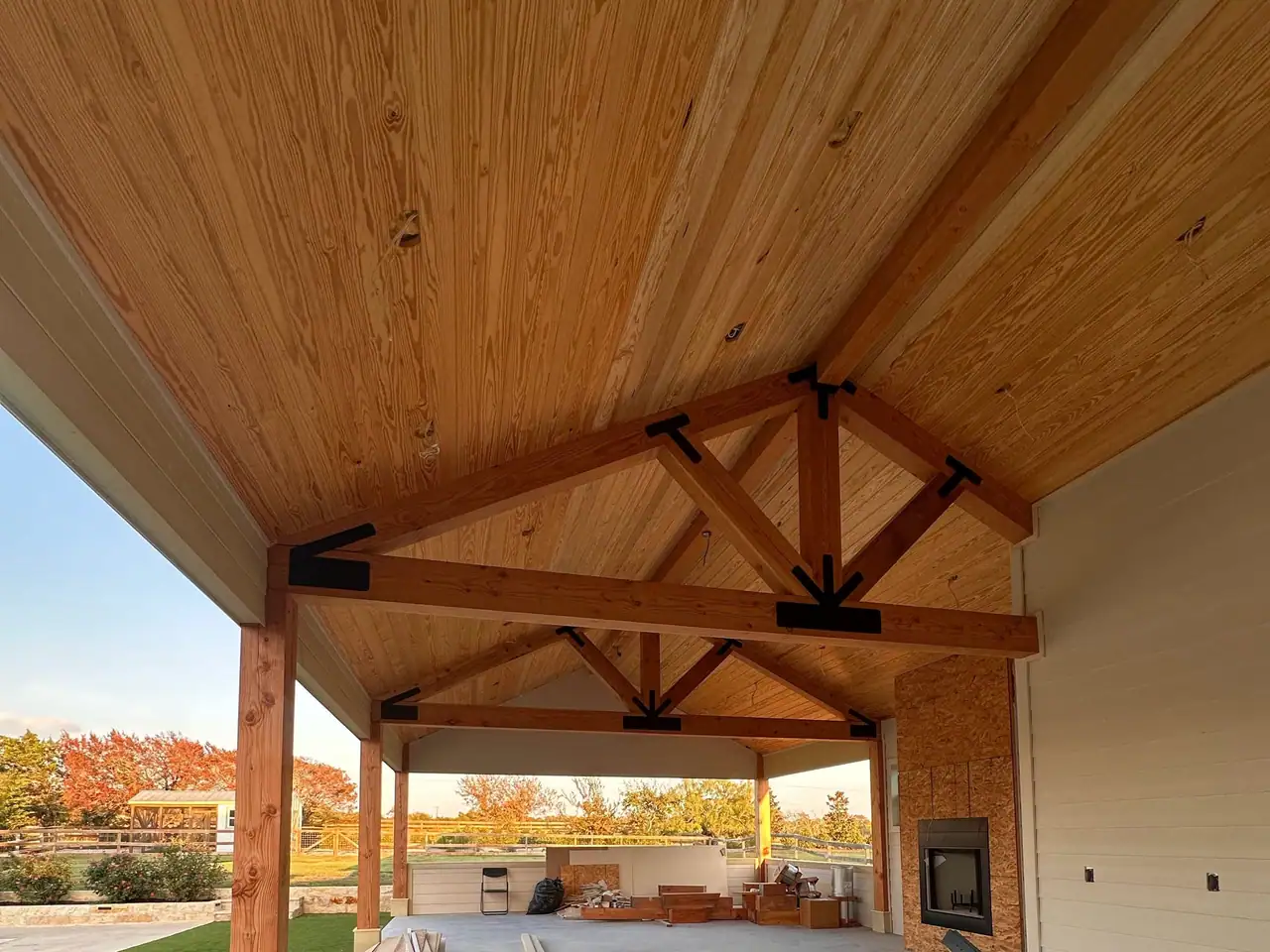
Planning continues after the drawings leave the desk. The team carries decisions into the work, checks what is actually being built, and keeps field conditions connected to cost and schedule.
Seven connected phases
What happens and how each phase ends.
01
Fit & first conversation
Determine whether the project, location, timing, expectations, and Ridge Rock are aligned.
Ridge Rock's work
Ridge Rock listens for the full property vision, reviews what you already have, discusses timing and investment, and names the largest unknowns.
Ready to advance when
A specific next step; or a clear explanation of why the project is not ready or not the right fit.
02
Land & feasibility
Understand what the property makes possible and what it is likely to demand.
Ridge Rock's work
The team studies available survey information, access, grade, drainage, utilities, wastewater, jurisdiction, trees, rock, views, supporting buildings, and construction logistics.
Ready to advance when
A land strategy, visible assumptions, and a practical direction for the site plan.
03
Scope, budget & team
Put one definition around the building and everything required to make the property usable.
Ridge Rock's work
Ridge Rock aligns the design team, consultants, site scope, utilities, outdoor work, supporting buildings, allowances, responsibilities, schedule goals, and target investment.
Ready to advance when
A complete planning scope, preliminary budget logic, team structure, and preconstruction roadmap.
04
Design development & pricing
Develop design and cost information together while meaningful choices remain open.
Ridge Rock's work
The team reviews constructability, structure, systems, materials, site interfaces, allowances, long-lead items, and cost drivers at defined milestones.
Ready to advance when
A coordinated design ready for final pricing, engineering, review, and construction documents.
05
Preconstruction & selections
Turn the design into an executable plan before the site depends on late answers.
Ridge Rock's work
Ridge Rock reconciles drawings and specifications, confirms trade scope, builds the schedule, identifies procurement dates, prepares reviews, and documents the contract, change, and communication process.
Ready to advance when
An agreed scope, procurement plan, construction schedule, and mobilization readiness.
06
Construction & communication
Carry the plan through the field with visible decisions and accountable leadership.
Ridge Rock's work
Ridge Rock coordinates trades, inspections, quality, schedule, cost information, site conditions, changes, and a recurring communication rhythm.
Ready to advance when
A substantially complete building ready for commissioning, orientation, and closeout.
07
Closeout & aftercare
Finish the details, transfer knowledge, and establish what happens after move-in.
Ridge Rock's work
The team manages punch work, final documentation, system orientation, key information, warranty expectations, and follow-up. The team should distinguish incomplete work from warranty work and explain how each is reported.
Ready to advance when
A completed handoff, a known warranty route, and an ongoing relationship with the builder who knows the property.
Communication rhythm
You should not have to guess what is happening.
The exact meeting and reporting cadence is tailored to the project, but current progress, the near-term schedule, due decisions, cost changes, site conditions, and long-lead items should remain visible.
Good communication does not remove every surprise. It keeps known information from arriving late and makes responsibility for the next action clear.
Limited annual project capacity
We take on a limited number of projects each year.
That keeps Ridge Rock close to each build. Share the land, idea, or plans early through Build Studio so the team can understand the scope, location, and timing.
From the field · Ridge Rock projects
Follow the work as it takes shape.