
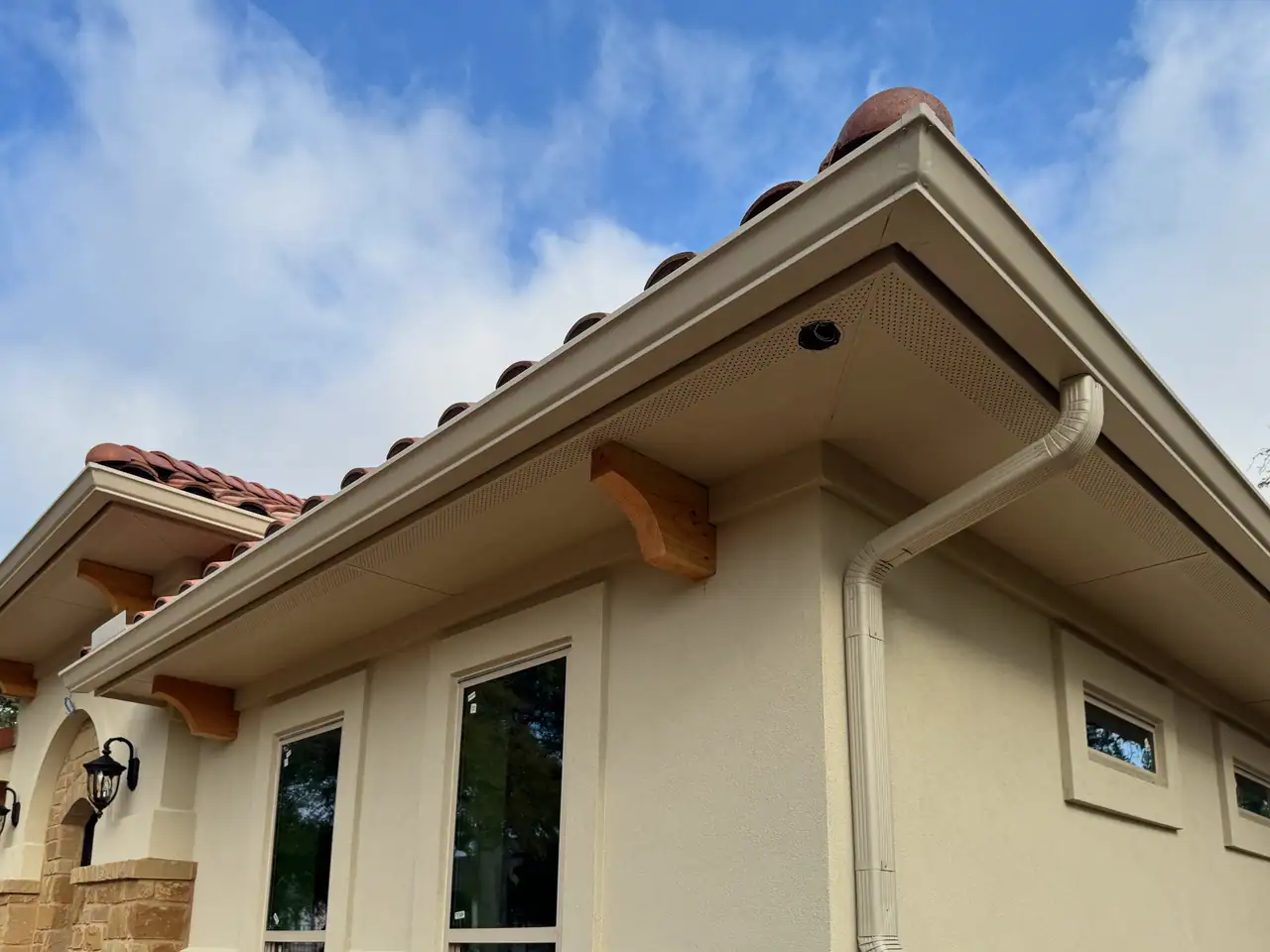
Inside the City of Fredericksburg, a property in the local historic district or listed as an individual landmark needs an approved Certificate of Appropriateness before exterior work begins. That review sits alongside the ordinary building permit, so a new home, addition, or exterior remodel on a historic parcel is planned around two approvals, not one.
Key takeaways
- The city says all exterior changes to a historic property require an approved Certificate of Appropriateness.
- The Historic Review Board reviews additions, alterations, construction, demolition, and relocation in the district and at landmarks.
- City staff decide whether a request can be approved administratively or goes to the board.
- Building permits and inspections are a separate track through the city Building Division.
How do you know if a lot is in the Fredericksburg historic district?
Start with the map, not the street name. The City of Fredericksburg Historic Preservation page points owners to the city's zoning map to check whether a property falls inside the local historic district. The same page links a separate list of individual landmarks that sit outside the district, so a parcel a few blocks from Main Street can still carry historic review.
Check the city limits too. The Building Division reviews plans for properties within the City of Fredericksburg, and land out in Gillespie County follows a different set of county requirements. Our Fredericksburg building guide covers how city and county land differ before you buy.
What is a Certificate of Appropriateness?
A Certificate of Appropriateness, often called a COA, is the city's sign-off that proposed exterior work fits the historic setting. The Historic Preservation page states plainly that all exterior changes to a historic property require an approved COA, and that the Historic Preservation Officer and the Historic Review Board share the duty of protecting historic properties in the district and individual landmarks.
Applications go in through the city's MGO Connect portal. After review, city staff determine whether the request can be approved administratively or needs a decision from the Historic Review Board. The Historic Preservation page lists the review fee the city invoices for each path: $50 for an administrative review or $150 for a Historic Review Board review, payable online.
Does new construction in the historic district need review?
Yes. The Historic Review Board page describes the board as making recommendations to City Council on applications proposing additions, alterations, changes, construction, demolition, or relocation within the historic district and at historic landmarks, and it states that the board grants or denies certificates of appropriateness. A new house on a vacant lot inside the district, a guest house behind an older home, or a garage addition all fall within that list.
The board meets on the second Tuesday of each month at City Hall, though the city notes the schedule can shift around holidays or City Council meetings. Ask staff early which meeting your application can reach, and build that date into the design schedule rather than the construction schedule.
What do the design guidelines cover?
Fredericksburg publishes Historic District Design Guidelines and Standards, which staff use when making recommendations to the board. The Historic Preservation page says the guidelines are based on the Secretary of the Interior's Standards for Rehabilitation and are meant to inform property owners before any decisions or work are done.
That timing is the useful part. Read the guidelines while the architect is still sketching massing, rooflines, porches, windows, and materials, and before you commit to a plan that would need rework. The city also publishes historic resource surveys with ratings for properties in the district, and notes that a rating can change after future research or alterations, so ask staff how your parcel is rated today.
How does the building permit fit with historic review?
Historic approval does not replace the building permit. The City of Fredericksburg Building Division reviews plans for properties within the city, performs inspections, and processes permits, inspections, and contractor registrations through the same MGO Connect portal. Its adopted codes include the International Residential Code and the International Energy Conservation Code, along with the city's own ordinances.
In practice, the design team prepares drawings that satisfy both reviews, and the builder carries the permit set through inspections. The general picture of how permits work across Central Texas is in our permits and codes guide, and the Central Texas cost guide explains how design time and review steps affect a budget.
Planning a project on a historic parcel
Treat historic review as a design input. A few habits keep the process calm:
- Confirm district or landmark status on the city map before you close on the lot.
- Read the design guidelines with your architect before the first floor plan is final.
- Ask staff whether your scope is likely to be handled administratively or by the board.
- Keep the approved COA drawings and the permit drawings in step if anything changes.
These steps apply to custom homes on infill lots and to remodels and additions on older houses alike.
Frequently asked questions
Do all exterior changes in the Fredericksburg historic district need approval?
The City of Fredericksburg states that all exterior changes to a historic property require an approved Certificate of Appropriateness. Staff then decide whether the request can be approved administratively or goes to the Historic Review Board.
Can a landmark outside the historic district still need review?
Yes. The city keeps a list of individual landmarks outside the historic district, and the Historic Review Board's role covers historic landmarks as well as the district itself.
How much does a Certificate of Appropriateness cost in Fredericksburg?
The city's Historic Preservation page lists $50 when staff can approve the request administratively and $150 when it goes to the Historic Review Board. Applications go through the city's MGO Connect portal.
Is a Certificate of Appropriateness the same as a building permit?
No. Historic review looks at how exterior work fits the district or landmark. The Building Division separately reviews plans for code compliance, issues permits, and performs inspections for properties within the city.
A historic parcel rewards early planning around both approvals. Use Build Studio to start organizing your project, or contact Ridge Rock Builders to talk through a lot or home in Fredericksburg.