

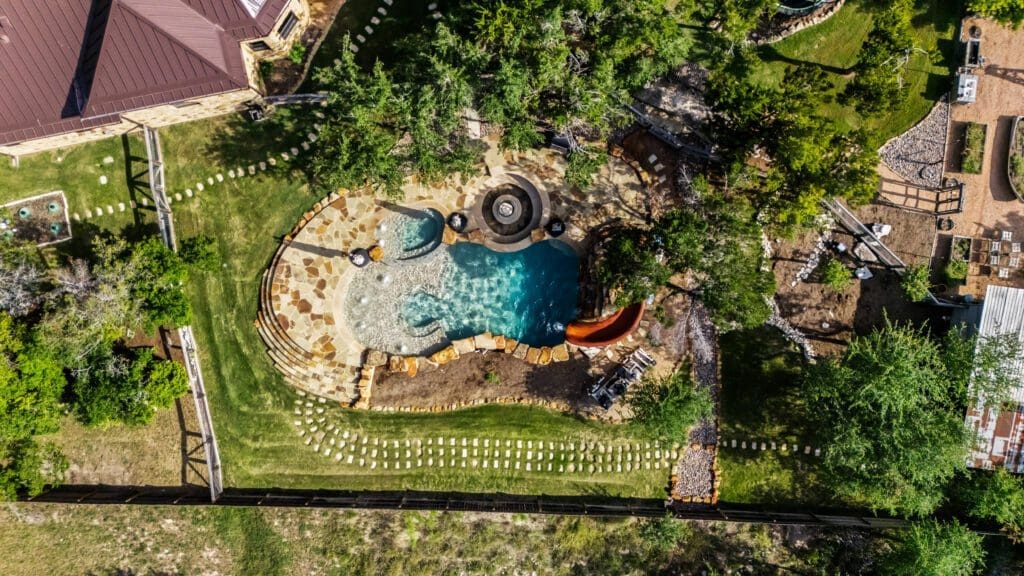
The dramatic terrain of the Texas Hill Country is part of its appeal — but it’s also one of the biggest variables in your custom home build budget. Drainage design, cut-and-fill grading, retaining walls, and foundation choices on a sloped lot can add significantly to your site prep costs. Here’s what you need to understand before you build on Hill Country land.
Category Archives: Construction
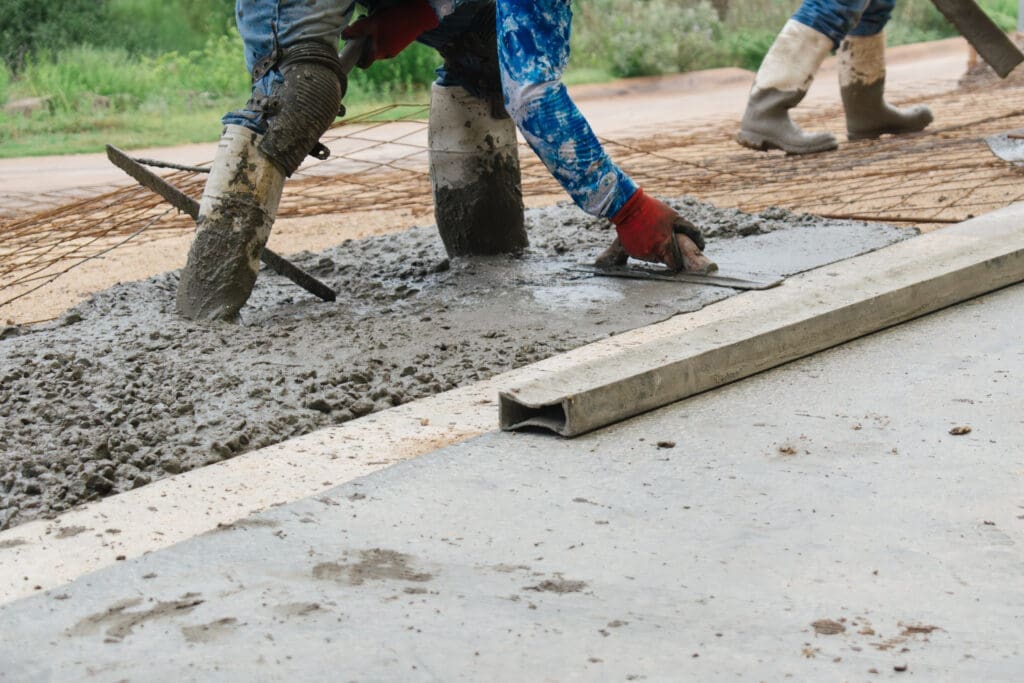
Getting building permits right in Hays County and Travis County is critical to keeping your custom home project on schedule and on the right side of the law. From understanding county vs. city jurisdiction to navigating Dripping Springs’ specific requirements, here’s a practical guide to the permitting process in the Texas Hill Country.
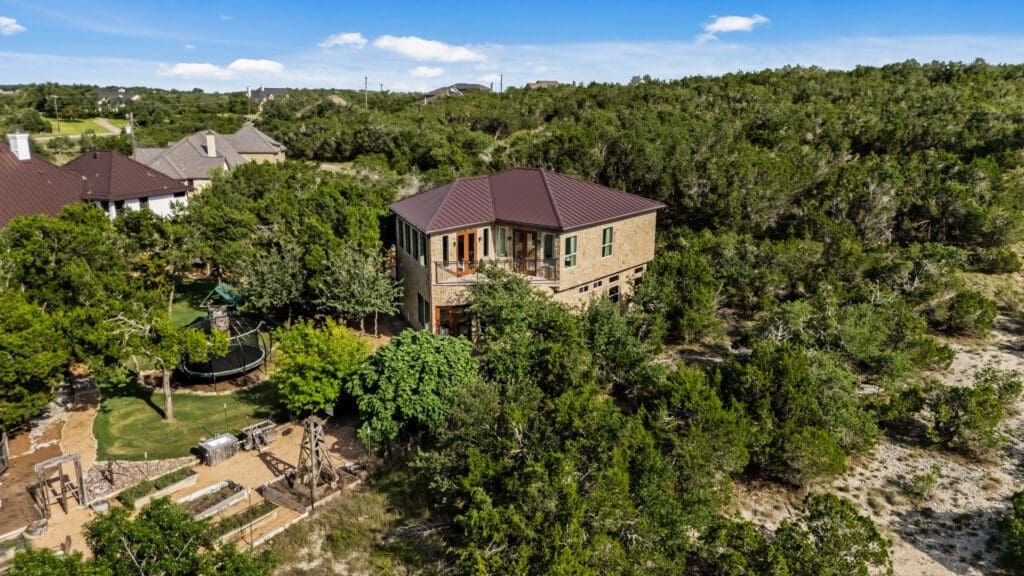
Building on rural acreage in the Texas Hill Country means creating your own utility infrastructure — septic systems, water wells, electrical service, propane, and internet. These costs are often underestimated and can add $35,000–$90,000 or more to your project before a foundation is poured. Here’s what every future acreage homeowner needs to budget and plan for.
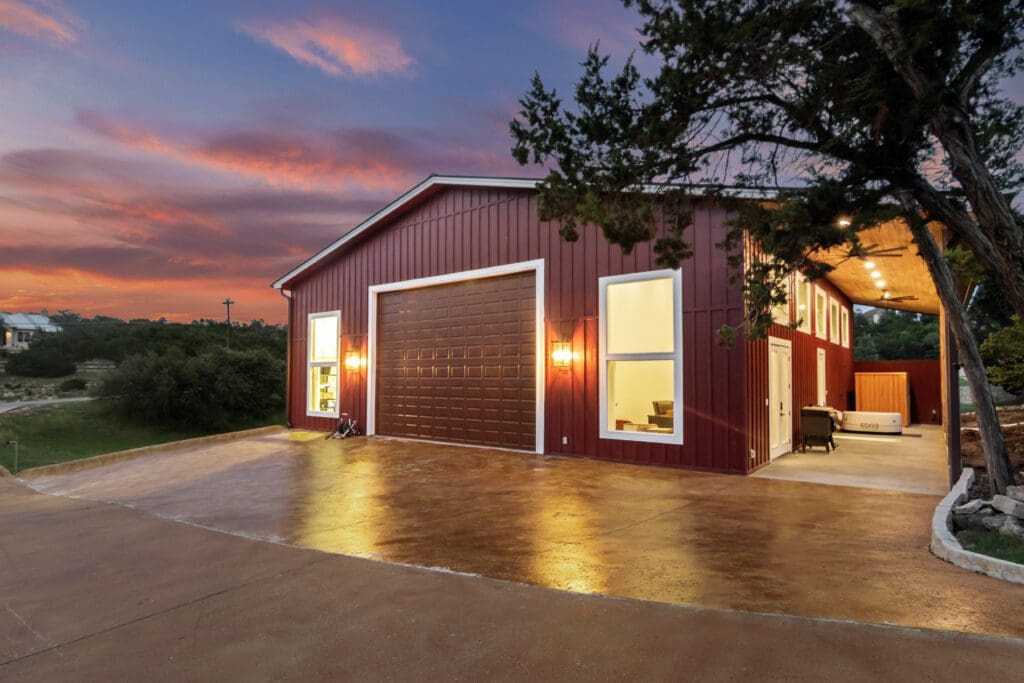
Buying land in the Texas Hill Country is one of the most important decisions you’ll make before building your custom home. From evaluating deed restrictions and water access to understanding flood zones and soil conditions, here’s everything you need to know before you make an offer. Learn why involving your builder early can save you from costly surprises.
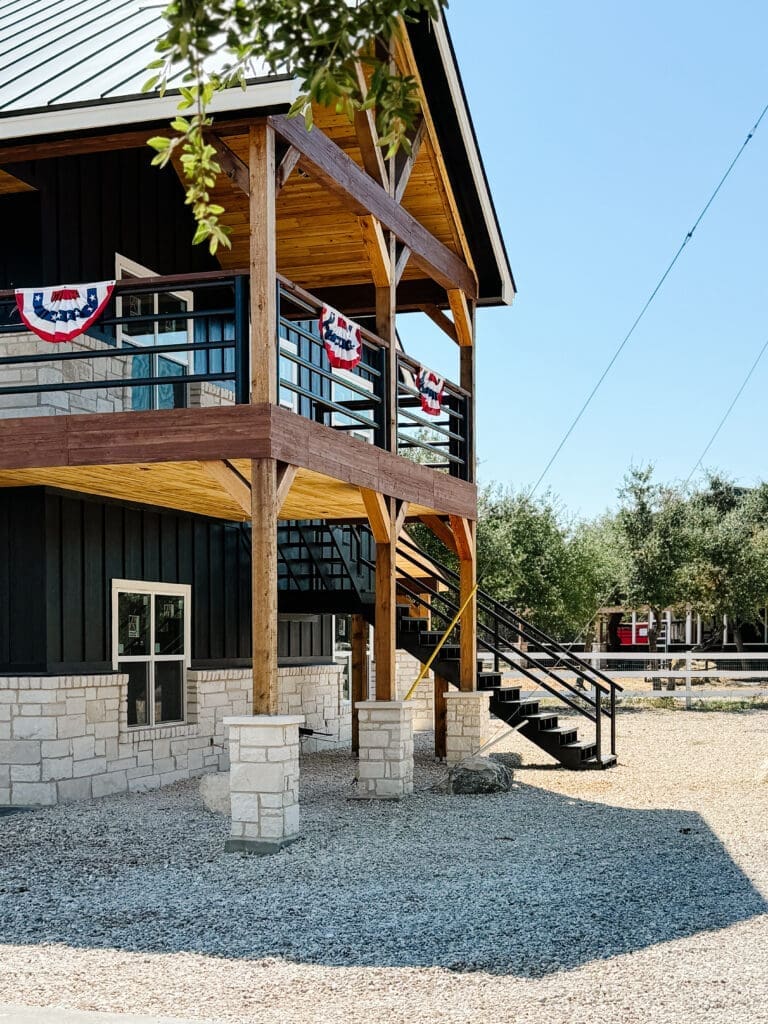
The right custom home floor plan for a Hill Country property starts with your land, not a photo on Pinterest. This guide covers lot orientation, sloped terrain design, open vs. traditional plans, single vs. two-story considerations, outdoor living integration, and shop placement — everything you need to choose a plan that works for your specific site and lifestyle.
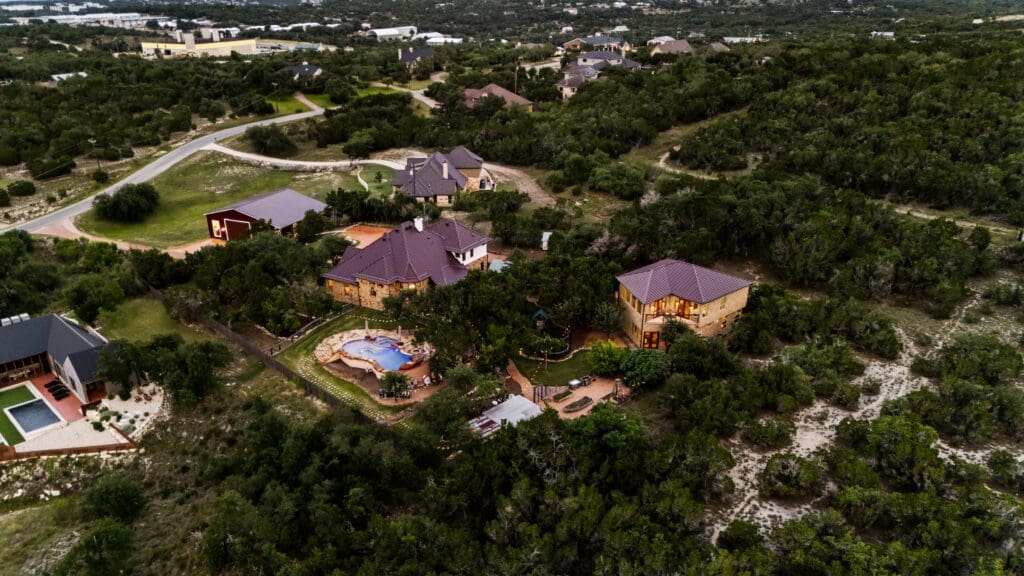
The decision to build vs. buy in the Texas Hill Country comes down to more than just price. This honest comparison covers cost, customization, timeline, land availability, energy efficiency, and long-term resale value — so you can make the choice that fits your priorities, not just your budget.
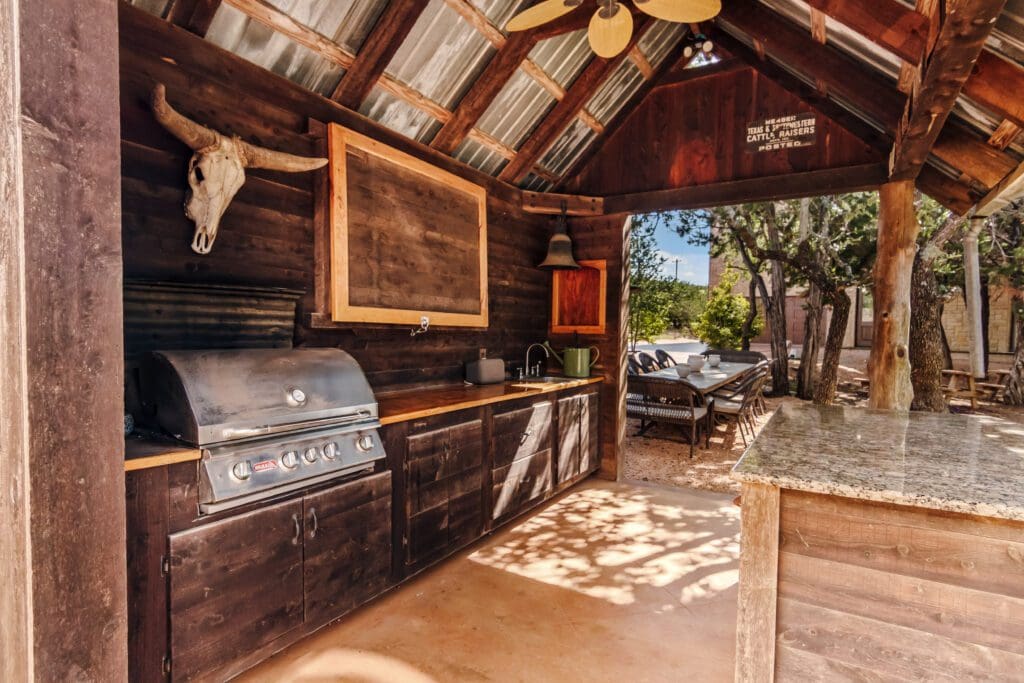
Building a custom home in Central Texas typically takes 12–18 months from first meeting to move-in. This phase-by-phase breakdown covers design, permitting, site prep, foundation, framing, mechanical rough-in, finishes, and final walkthrough — so you know exactly what to expect and when.
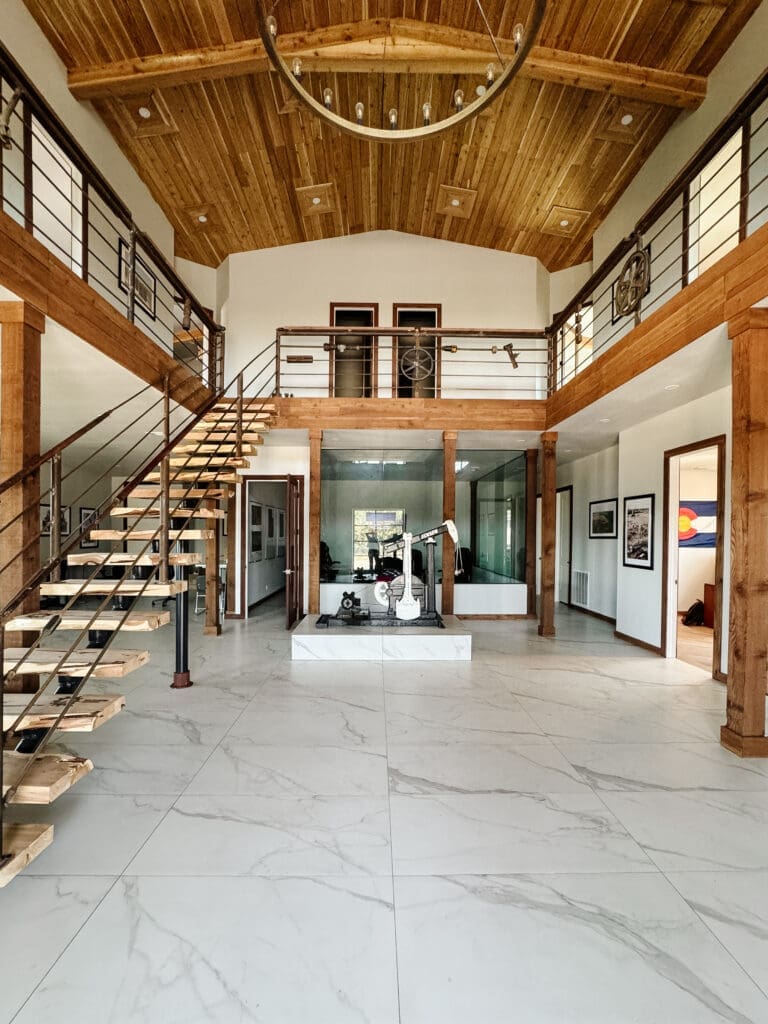
Signing a home builder contract without asking the right questions is one of the most expensive mistakes you can make. These ten questions cover everything from insurance and warranties to change orders and subcontractors — giving you the framework to evaluate any builder confidently before you commit.
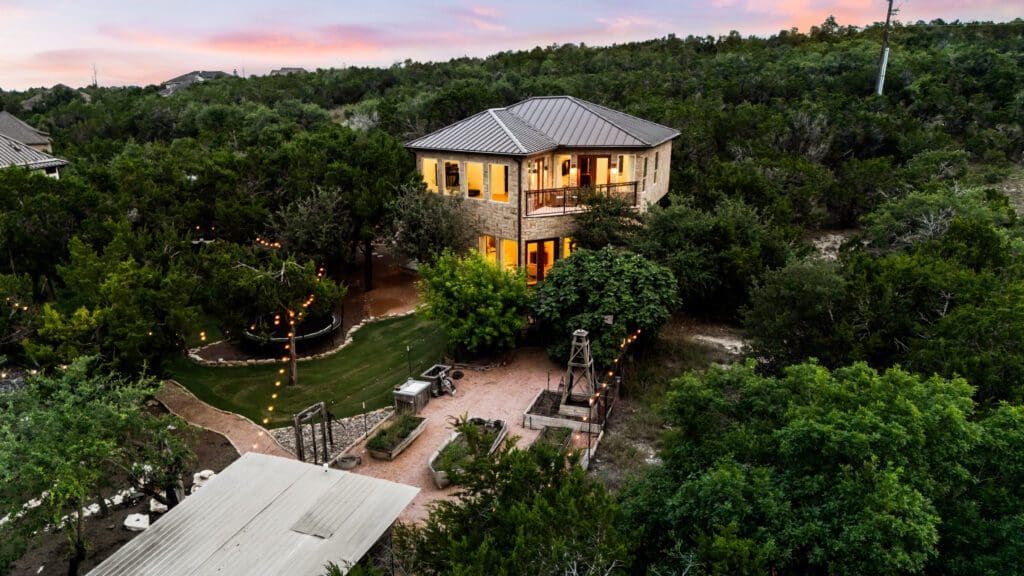
Building a custom home in Dripping Springs comes with a lot of variables — terrain, finishes, site conditions, and more. This guide breaks down realistic 2026 price ranges per square foot, the factors that drive your final number, and how Hill Country land affects your budget. Get straight answers before you start planning.
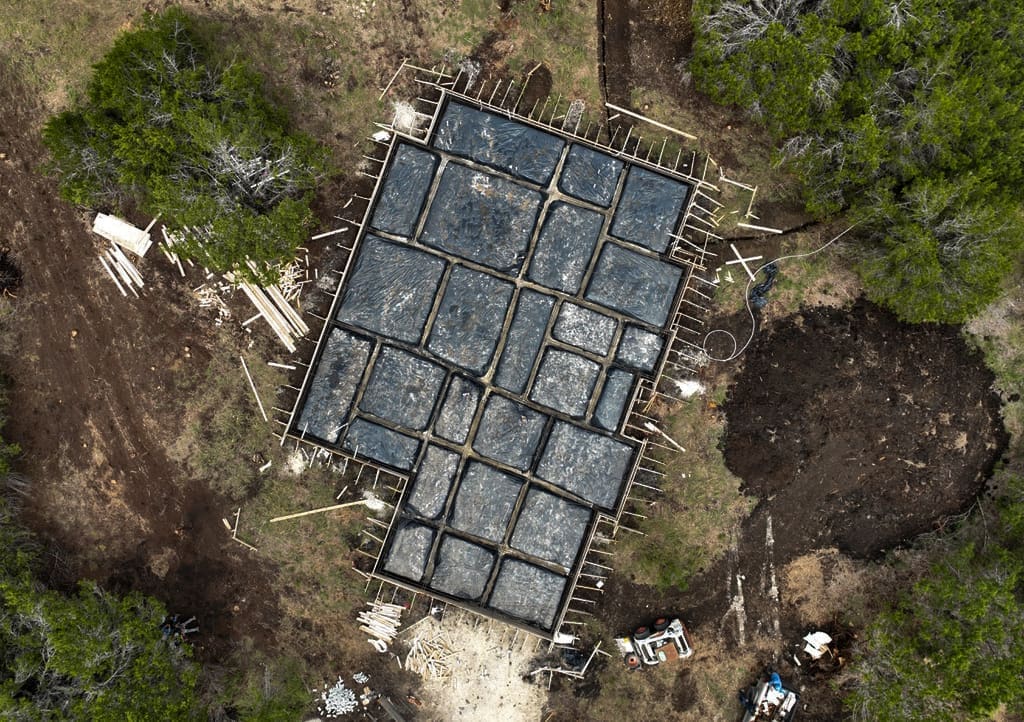
How to Stay on Budget During a Custom Home Build Here’s an uncomfortable truth that most builders won’t say out loud: budget overruns are common, and they’re usually preventable. Not in every case — site conditions surprise everyone, supply chains hiccup, and things happen during a 12-month construction project that nobody saw coming. But the…