
Custom Home vs. Buying Resale in the Texas Hill Country: Which Is Right for You?

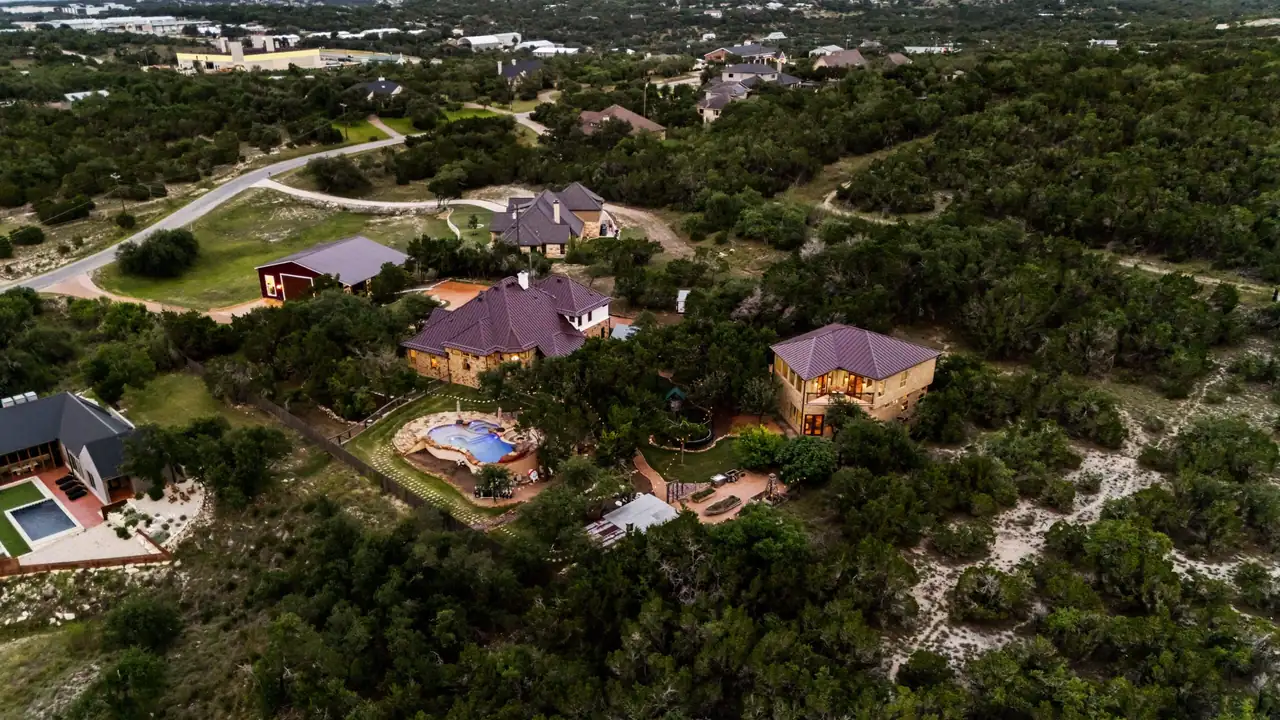
Custom home exterior at twilight in Dripping Springs TX by Ridge Rock Builders

The debate over whether to build vs. buy in the Texas Hill Country doesn’t have a universal right answer — but it does have a clear framework for thinking it through. Custom building gives you something you can’t find on the resale market. Buying resale gets you into a home faster. The right choice depends on your priorities, your timeline, your budget, and what trade-offs you’re willing to make. Here’s an honest comparison.

The State of the Resale Market in the Hill Country

The Texas Hill Country — particularly Dripping Springs, Wimberley, Driftwood, and surrounding areas — has seen significant appreciation over the past several years. Inventory remains tight relative to demand, especially for move-in-ready homes on acreage. What that means in practice:

  • Quality resale homes in desirable areas get multiple offers and sell quickly
  • Many available listings require updates, renovations, or compromises on location
  • Acreage properties that are truly move-in ready command a premium that rivals new construction costs
  • The “good deal” resale that was available 5–6 years ago is now rare

This context matters, because the old assumption — that buying resale is simply cheaper than building — deserves scrutiny in today’s Hill Country market.

Cost Comparison: Building vs. Buying

The True Cost of Buying Resale

The sticker price on a resale home isn’t the full story. When evaluating a resale purchase, factor in:

  • Purchase price (plus potential over-ask in competitive situations)
  • Inspection findings and deferred maintenance costs
  • Renovation costs if the home doesn’t fully meet your needs
  • Outdated mechanical systems (HVAC, plumbing, electrical) that may need replacement
  • Less energy-efficient construction compared to new builds
  • Realtor commissions and closing costs (typically 3–5% of purchase price)

The True Cost of Building Custom

Building custom costs more upfront — that’s the honest truth. But the comparison has nuance:

  • You get exactly what you want, built to current code and efficiency standards
  • No deferred maintenance for 10–15 years on most systems
  • Energy costs are substantially lower in well-built new construction
  • No renovation surprises after you move in
  • You control the lot, orientation, and outdoor space

Use our free build cost estimator to compare a realistic build number against resale options you’re considering — sometimes the gap is smaller than people expect.

Customization: The Factor Resale Can’t Match

This is where custom building wins decisively, and it goes deeper than just picking your paint colors.

  • Floor plan: Layout optimized for how your family actually lives — not someone else’s priorities from 2003
  • Site placement: Orient the home to capture views, maximize natural light, or achieve privacy
  • Outdoor living: Covered patios, outdoor kitchens, pools, and shops designed as part of the original plan rather than awkward additions
  • Technology integration: Smart home systems, structured wiring, and home automation built in from the start
  • Accessibility features: If you’re building your forever home, you can design for aging in place from the beginning
  • Energy efficiency: Spray foam insulation, high-efficiency HVAC zoning, solar-ready design — all harder and more expensive to retrofit

For most people who’ve been in the Hill Country resale market for a while and keep finding compromises, this factor alone tips the decision toward building.

Timeline: Where Resale Has the Advantage

This is one area where buying resale genuinely wins. A resale purchase can close in 30–45 days. A custom build from first conversation to move-in typically runs 14–18 months.

If your timeline is:

  • Flexible (18+ months): Custom building is entirely viable
  • Moderate (6–12 months): You might look at spec homes from quality builders as a middle ground
  • Tight (under 6 months): Resale or spec inventory is your realistic path

The timeline tradeoff is real — but for buyers who aren’t under hard deadline pressure, 14–18 months is a reasonable investment for a home that’s exactly right rather than close enough.

Land Availability in the Hill Country

Here’s a factor that surprises some buyers: in many parts of the Hill Country, finding the right resale home is actually harder than finding good land to build on. The lot of your dreams may exist — but with the wrong house on it, or no house at all yet.

Building custom lets you start with the land you love. That might be:

  • A ridgeline lot in Dripping Springs with panoramic Hill Country views
  • A creek-adjacent property outside Wimberley that’s been in someone’s family for years
  • A few acres in Driftwood with the privacy and space that’s nearly impossible to find in resale

The ability to put the right home on the right land — in the right orientation, with the right setbacks and outdoor spaces — is a meaningful advantage that only custom building offers.

Energy Efficiency and Long-Term Operating Costs

New construction built to modern standards will outperform older resale homes in energy efficiency — often significantly. Hill Country summers are brutal, and a home built with spray foam insulation, proper air sealing, and a high-efficiency HVAC system will cost meaningfully less to operate year after year.

  • Spray foam insulation vs. batt insulation: 30–50% HVAC efficiency improvement
  • Low-E windows: reduce heat gain dramatically in sun-exposed elevations
  • High-SEER HVAC systems: significant operating cost savings over 10+ years
  • Proper air sealing: one of the most impactful and least expensive efficiency measures

Over a 10-year period, the operating cost savings from an energy-efficient new build can offset a meaningful portion of the build premium over resale.

Resale Value: Which Path Builds More Equity?

Both paths can build equity — the question is how and over what timeframe.

  • Resale in a strong market benefits from immediate equity if you buy well
  • Custom builds often appraise above cost in desirable Hill Country locations where comparable sales support high values
  • A well-designed custom home with quality finishes and a desirable lot tends to appreciate at or above market rate
  • Resale homes with deferred maintenance or outdated systems can actually erode equity if problems are discovered post-purchase

Browse our completed projects to see the caliber of custom homes we build — homes that command strong resale values precisely because they were built right the first time. You can also explore our guide to custom home financing for a clear look at how construction loans compare to traditional purchase mortgages.

Frequently Asked Questions

Is it cheaper to build or buy a home in the Texas Hill Country?

In today’s market, the cost difference is smaller than most people expect. Quality resale homes on acreage in the Hill Country are priced near or at what a comparable custom build would cost — and you’re often paying for someone else’s design compromises and deferred maintenance. Building custom costs more upfront but delivers a home built exactly to your needs with no surprises post-move-in.

How long does it take to build a custom home compared to buying resale?

Resale can close in 30–45 days. Custom building takes 14–18 months from start to move-in. If your timeline is flexible, the wait is usually worth it. If you need to move within six months, resale or a spec home is the more practical path.

What are the biggest advantages of building custom vs. buying resale?

Complete customization of floor plan, finishes, and site placement; no deferred maintenance; modern energy efficiency; systems designed for your lifestyle; and the ability to build on land you’ve specifically chosen for its location, views, or privacy. Resale can’t offer any of these — you’re adapting to what existed rather than building what you want.

Are custom homes in the Hill Country a good investment?

Yes — well-built custom homes in desirable Hill Country locations have historically held and grown their value. The key is choosing a quality builder, selecting a desirable lot, and making finish decisions that appeal to future buyers as well as your own taste. Over-improving for the neighborhood is the one risk to watch for.

What happens if I find land I love but it has an old house on it?

Demo and rebuild is a legitimate path that’s more common than people realize. Depending on the structure and what can be salvaged, you may be able to keep existing utility connections and site work, which can reduce total project cost. Talk to a builder before you assume it’s not viable.

Can I customize a resale home to get what I want?

To a degree — but renovation has real limits. Moving bearing walls, reconfiguring kitchens and bathrooms, and adding square footage are all expensive and disruptive. And no renovation can change where the house sits on the lot, how it captures views, or how it was originally oriented. For buyers with a clear vision, building from scratch is almost always more cost-effective than trying to get a resale home to a fully custom standard.

Ready to Start Your Project?

At Ridge Rock Builders, we specialize in custom homes, remodels, barns, shops, and casitas throughout the Texas Hill Country. Whether you’re still exploring your options or ready to break ground, we’d love to talk.

Get a free build estimate or call us at (512) 294-9579 to start the conversation.

Leave a Reply

Your email address will not be published. Required fields are marked *