
If you’ve never built a custom home before, the process can feel like a black box. Where does it start? When do you make decisions? How do you keep costs from running away? At Ridge Rock Builders, we’ve built our entire operation around making the custom home building process transparent and navigable — because the more our clients understand about what’s happening and why, the better decisions they make, the fewer surprises arise, and the better the finished home reflects how they actually want to live. Here’s exactly how we take a project from initial conversation to the day you get your keys.
Step 1: Discovery — Getting to Know You and Your Land
Every Ridge Rock project starts with a real conversation, not a sales pitch. Owner Riley Skinner or a senior team member sits down with you — in person when possible — to understand what you’re actually trying to build and why.
What We’re Learning in Discovery
We ask about family size, daily routines, how you entertain, hobbies and functional needs, long-term plans, and your actual budget comfort zone — not just what you’ve been pre-approved for. These details directly shape design and budget decisions.
If you have land, we walk it together and assess topography, drainage, views, and access. If you don’t, we can advise on properties in Dripping Springs, Wimberley, Spicewood, and surrounding areas. Discovery ends when we have a clear picture of what you want to build, where, and what you want to spend.
Step 2: Concept and Budget Alignment
Before any architectural drawings are produced, we do a critical step that most builders skip: aligning the vision with realistic numbers. This is where a lot of custom home projects go wrong — clients get attached to a design that was never achievable at their budget, then face painful value-engineering conversations halfway through.
Preliminary Massing and Program
We sketch rough massing and room-relationship diagrams — essentially, where the major spaces live relative to each other and the site. This isn’t detailed architecture yet; it’s about answering questions like: Does the primary bedroom have the view you want? Does the kitchen open to the outdoor living space? Does the garage feel integrated or awkward?
The Preliminary Budget
Alongside those sketches, we create a preliminary budget that assigns real cost ranges to the vision. Not vague per-square-foot numbers, but actual line items for site development, foundation type, structural approach, exterior envelope, interior finish level, mechanical systems, and any specialty features you’ve described. The goal is clarity: here’s what this vision costs, here’s what changes if we adjust these things, here are the decisions that give you the most leverage over the total.
This step is described in detail in our post on what to know once you’ve decided to build a custom home — it’s foundational to everything that follows. If you’re still in the early stages and haven’t gotten a sense of build costs yet, our build cost estimator is a good first step.
Step 3: Design Development
With concept and budget aligned, we move into full architectural design. This is where the house really takes shape — and where the quality of collaboration between client, builder, and architect determines how well the finished home matches the original vision.
Architectural Drawings and Engineering
Our design process involves full architectural drawings, structural engineering input, and energy modeling. We work with a select group of architects whose design sensibility fits the Hill Country context — people who understand how homes should sit on this terrain, respond to the climate, and age gracefully.
Structural engineering follows the architectural design to ensure the framing, foundation, and load-bearing elements are correctly specified for the site conditions. In the Hill Country, that means accounting for caliche and expansive clay soils, sloped sites that may require engineered retaining walls, and wind loads appropriate for this part of Texas.
Step 4: Pre-Construction Planning
Between permit submission and breaking ground is a phase that most clients don’t see but that determines whether a build runs smoothly or constantly. Pre-construction is where we do the coordination work that keeps the field running efficiently once construction starts.
Permits and Long-Lead Orders
We manage the permitting process with the relevant county jurisdiction and factor realistic timelines into the overall project schedule. Simultaneously, we identify and order long-lead items — custom windows and doors, specialty cabinetry, engineered floor systems — so they’re on site when the schedule needs them, not holding it up.
Step 5: Construction — From Dirt to Finished Home
Construction is the phase everyone thinks about when they picture building a home. For our clients, it should feel organized, communicative, and reassuringly boring — meaning nothing surprises you, you always know what’s happening, and progress is consistent.
Construction Sequence
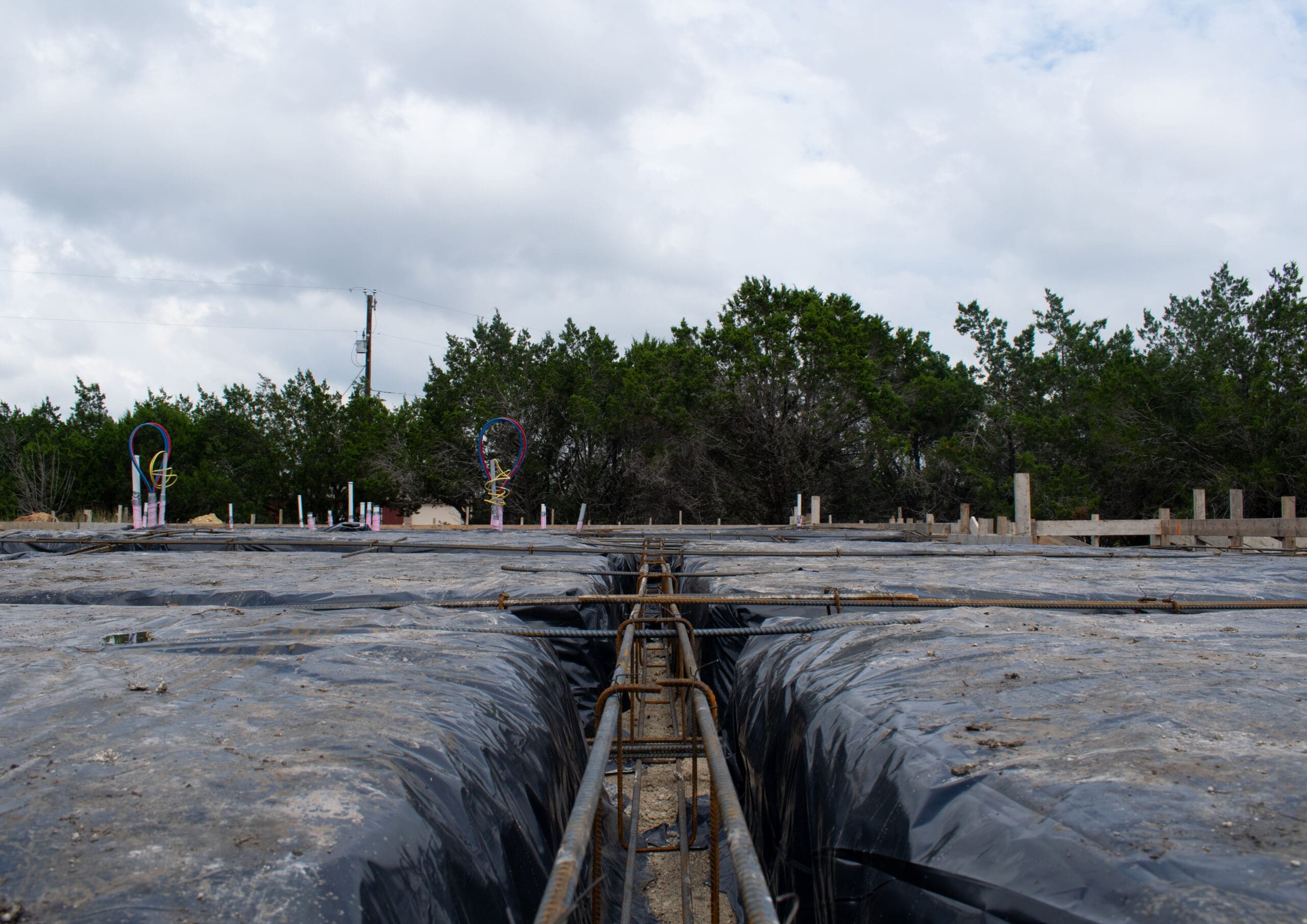
Every Ridge Rock build follows the same logical sequence: site prep and foundation, framing and dry-in, rough-in of all mechanical and low-voltage systems, insulation and air sealing, drywall, finish trades (cabinetry, flooring, tile, trim, paint, fixtures, hardware, appliances), and finally site finishes including flatwork, landscaping, and driveway.
Client Communication During Construction
You receive regular photo updates and written progress notes throughout the build. We schedule in-person walk-throughs at critical milestones — foundation, framing, rough-ins, drywall, and pre-final — so you can see progress and catch small adjustments before they become complicated to fix. See examples of this quality in our completed project portfolio.
Step 6: Closeout, Punch, and Warranty
The final phase of a Ridge Rock build is about delivering a home that’s finished — not just substantially complete — and making sure you have everything you need to maintain it properly.
The Punch Process
Before final acceptance, we conduct a detailed walkthrough with you and create a comprehensive punch list of every item that needs attention — paint touch-ups, hardware adjustments, grout cleanup, anything that isn’t exactly right. We complete the punch list before you move in, not after. Our goal is that the home you receive on move-in day is the same level of finished as the day it would be shown to a buyer.
The Homeowner Guide
We provide every client with a homeowner guide that covers:
- Maintenance schedules for all major systems — HVAC filters, water softener, septic servicing, aerobic system, roof inspection
- Warranty information and contacts for each major trade and manufacturer
- Operation guides for any specialty systems — smart home, pool equipment, security system, generator
- Emergency shut-off locations for water, gas, and electrical
The 60–90 Day Follow-Up
We schedule a follow-up visit 60–90 days after move-in. By that point, you’ve lived in the home through multiple weather cycles, you know what needs minor adjustment, and we can address a final round of small items while everything is still fresh. This is part of the job at Ridge Rock, not an optional service. To get a sense of what clients experience, read more about why Ridge Rock homes stand the test of time in the Hill Country.
Why the Process Matters as Much as the Product
A beautiful house is the minimum standard. What separates a great building experience from a painful one is whether communication is proactive, whether surprises are genuinely unavoidable or the result of poor planning, and whether the builder treats your project as a priority throughout the build — not just at the start.
Ridge Rock Builders is deliberately sized to take on a limited number of projects at any time. Riley Skinner is involved in every build from discovery through closeout. Our post on how to choose the perfect home builder gives you a framework for evaluating any builder. And our project portfolio shows what we build across Dripping Springs, Driftwood, Lakeway, and the Hill Country.
Frequently Asked Questions
How long does a custom home build take with Ridge Rock Builders?
Most custom home builds with Ridge Rock take 12–16 months from signed contract to move-in, depending on home size, complexity, and site conditions. Acreage builds with extensive site development may run 14–18 months. The pre-construction phase — permits, long-lead orders, and design finalization — typically runs 2–4 months before the construction clock starts. We provide a detailed schedule at the start of every project and update it regularly.
When do I need to make my design and finish selections?
We batch selections into milestone meetings so you’re never overwhelmed. Structural and mechanical decisions happen during design development. Exterior materials and windows are confirmed before permit submission. Interior finishes are staged across 2–3 selection meetings during pre-construction and early construction. Long-lead items like cabinetry and specialty tile are ordered early. You always have clear deadlines and enough lead time to make thoughtful decisions.
How does Ridge Rock Builders handle cost overruns?
We work hard to make the preliminary budget accurate and the final contract transparent. Change orders — additions or modifications you request during construction — are the most common source of cost increases, and we present those in writing with clear pricing before any work is done. Genuine surprises (unexpected soil conditions, permit changes, supply disruptions) are handled transparently and promptly. We don’t hide problems and we don’t pad numbers.
Do you build on client-supplied land, or do you help find land?
Both. If you have land, we start with a site visit and assessment. If you’re still looking, we know the areas we build in well and can connect you with real estate professionals who specialize in acreage properties in the Hill Country. We can also help you evaluate a potential land purchase before you commit — assessing site development feasibility, utility access, and rough cost implications.
What areas does Ridge Rock Builders serve?
We build throughout the Texas Hill Country and greater Austin area, with primary focus on Dripping Springs, Austin, Bee Cave, Spicewood, Wimberley, Driftwood, and Lakeway. We also work in Fredericksburg and surrounding areas for the right projects. If you’re in a neighboring community, reach out — we can tell you quickly whether your location works for us.
What makes Ridge Rock Builders different from other custom builders in the area?
Owner involvement, project focus, and process discipline. Riley Skinner is personally involved in every project from discovery through closeout. We take on a limited number of projects so each one gets the attention it deserves. And we’ve built a process that gives clients genuine transparency — real budget numbers early, clear communication throughout, and a finished home that reflects the original vision. We’re not the lowest-priced builder in the Hill Country, and we don’t try to be.
Ready to Start Your Project?
At Ridge Rock Builders, we specialize in custom homes, remodels, barns, shops, and casitas throughout the Texas Hill Country. Whether you’re still exploring your options or ready to break ground, we’d love to talk.
Get a free build estimate or call us at (512) 294-9579 to start the conversation.