
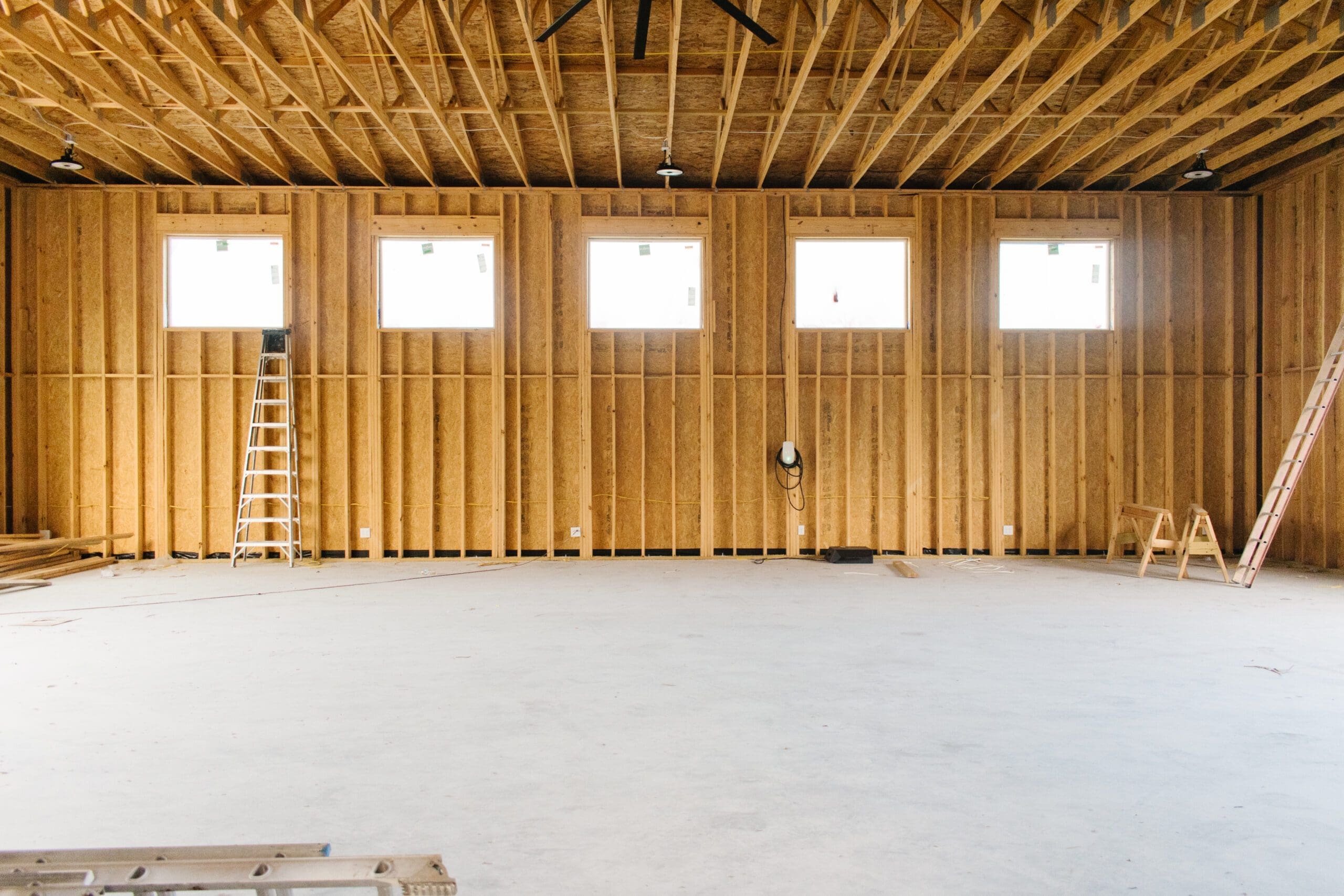
Spring Building Season in Texas: Why Timing Your Build Matters
Every spring, our phone starts ringing a little more. Families who spent the winter daydreaming about a custom home in the Hill Country decide that now is the time to get serious. There’s something about February and March in Central Texas that makes people want to break ground — the bluebonnets are coming up, the weather is mild, and the thought of moving into a new home before the holidays feels suddenly achievable. But is spring actually the best time to build a custom home in Texas? The honest answer: it depends on what you do between now and when you actually start. Here’s what we tell every prospective client who asks.
Why Spring Is the Most Popular Start Window
Spring kicks off the busiest season in residential construction across Texas Hill Country for some real, practical reasons — not just tradition.
Weather that cooperates (mostly)
March through May in Dripping Springs gives you ground temperatures and humidity levels that are ideal for pouring concrete foundations. Extreme cold slows concrete curing and can crack a slab if you’re not careful. Extreme heat — which hits Central Texas hard from late June through September — creates its own issues with framing, roofing materials, and the crews working on them. The spring window is genuinely the sweet spot for getting a foundation and frame in the ground.
That said, spring in the Hill Country also means thunderstorms, and we’ve seen them push schedules back. A well-prepared builder accounts for 3–5 weather delay days per month during storm season. If someone promises you zero weather delays in April, they’re either brand new or not being straight with you.
Permit timelines in Hays County
Hays County residential permit processing typically runs 4–8 weeks depending on backlog and whether your plans require special review (floodplain, septic, well). If you want to break ground in March or April, your permit application needs to be in by early January — which means plans finalized in December.
Clients who decide in February they want to start that spring frequently end up with permits coming back in May or June. Not a disaster, but not the smooth spring start they imagined. If you want a spring start, the planning has to happen in the fall.
Contractor Availability and the Booking Reality
Good subcontractors in the Austin metro and Hill Country are busy. Full stop. Framers, plumbers, electricians, tile setters — the experienced crews that produce quality work book out months in advance, and spring is when the competition for their schedules gets real.
When we bring on a new project, we’re coordinating dozens of subcontractor schedules across a 12–14 month build window. If we lock you in for a spring start, we’re also locking in our framing crew for April, our rough plumbing and electrical for May and June, and so on down the line. That sequencing only works if we’ve got the relationship and the standing with those subs — and that’s built over years of consistent work together.
What this means for you: if you’re reaching out to builders in March hoping to start in April, you’re likely talking to whoever has open slots. That might be fine. It might not be. The builders who have their spring slots spoken for by January are usually that way for a reason.
We typically advise clients who want a custom home in Dripping Springs or the surrounding Hill Country to begin serious conversations with us at least 6 months before their target start date. That’s not a sales tactic — it’s just what a quality build requires.
Material Pricing and Supply Chain Timing
Lumber, roofing materials, windows, and doors all fluctuate in price, and spring typically sees a demand spike that pushes prices up. Contractors buying materials for a wave of new starts all at once creates real pressure on local suppliers and national distributors.
Here’s what we’ve learned from building through multiple market cycles in Central Texas:
- Locking in material specs early matters. When we know exactly what windows, doors, and roofing you want before we start, we can price them accurately and sometimes order them ahead of the demand peak.
- Lead times on custom items are long. Specialty windows, custom cabinetry, and certain tile products can run 10–16 weeks from order to delivery. If you order in April for a window installation in June, you’re going to be waiting — or you’re going to be picking off-the-shelf items instead.
- Summer is actually good for locking in pricing. If you start planning in the summer for a fall or early-spring build, you can sometimes get better pricing on materials before the spring surge.
We walk every client through a detailed spec sheet before we finalize any contract. It’s one of the most important conversations we have. Get a free build estimate and we’ll show you exactly how material selection affects your bottom line.
Fall Starts: The Underrated Option
A lot of our best builds have started in October or November. Here’s why fall gets overlooked but deserves a second look:
- Subcontractor availability is better. The spring and summer rush has wound down, and experienced crews have more flexible schedules.
- Permit offices are less backlogged. Fewer applications in August and September often means faster turnaround on your permit.
- You can be framed and dried-in before winter. Getting the foundation poured in October and the frame up by December means your home is weather-tight going into January. Interior work — which doesn’t care about weather — fills the winter months perfectly.
- Move-in timing. A fall start on a 12-month build gets you into your home the following fall — which, for families with kids, often lines up better with school calendars than a midsummer move.
If you’re reading this in late spring and missed the spring start window, don’t feel like you’ve lost a year. A fall start might actually work better for your timeline and budget.
How to Use the “Off-Season” to Your Advantage
The smartest thing a prospective custom home client can do is use the months they’re not building to get completely ready. Here’s what that looks like:
Finalize your lot
If you haven’t already locked down your land, this is priority one. Lot availability in Dripping Springs, the surrounding Hill Country communities, Wimberley, and Spicewood has gotten tighter over the past several years as demand has stayed strong. We’ve seen clients lose a lot they loved because they spent too long on plan revisions. Secure the land, then refine the plans.
Get your financing in order
Construction loans work differently than conventional mortgages, and getting pre-approved takes longer than most people expect. We recommend starting the lender conversation at least 3–4 months before you want to close on a construction loan. Check out our post on how to finance a custom home build in Texas for the full breakdown.
Work through your design decisions
The off-season is the right time to finalize floor plans, select your exterior materials, and start working through interior selections. The more locked-in your specs are before construction starts, the smoother (and cheaper) the build will be. Change orders during construction are expensive — both in dollars and in schedule delays.
What We Recommend for 2026 Starts
Want to break ground in spring 2027? Start talking to builders now. Want a fall 2026 start? Reach out immediately — the permitting and planning window is shorter than most people expect. Visit our Dripping Springs custom homes page or browse the blog to get a sense of how we approach a build from day one.
Frequently Asked Questions
What is the best time of year to start building a custom home in Texas?
Spring (March–May) is the most popular window because of favorable weather for foundation work. However, fall (October–November) is an underrated option with better subcontractor availability and less permit backlog. The “best” time depends on when you’re ready — with permits filed, financing secured, and plans finalized.
How long does it take to get a permit for a custom home in Hays County?
Standard residential permits in Hays County typically take 4–8 weeks from application to approval. Complex projects with floodplain reviews, well permits, or septic system approvals can add additional time. We always factor permit timelines into the project schedule so clients aren’t surprised.
How far in advance should I contact a builder if I want to start in spring?
Ideally 6–9 months ahead of your target start date. That gives time to finalize plans, complete the permitting process, and secure your place on the builder’s schedule before spring slots fill up. Reaching out in January for a March start is very tight — possible in some cases, but not ideal.
Does material pricing actually change by season?
Yes, though not dramatically in most years. Spring and early summer typically see price increases on framing lumber and roofing materials as demand spikes with new construction starts. Locking in material specs and pricing ahead of the building season — or ordering key long-lead items early — can help protect your budget.
Can I start building in summer in Central Texas?
Absolutely. Summer builds happen all the time in the Hill Country. The primary challenge is heat affecting crew productivity and certain materials (like roofing) being more difficult to work with in 100°F+ temperatures. A good builder plans around this with adjusted work schedules (early starts, midday breaks) and proper material handling. It adds some complexity but it’s manageable.
What if my lot isn’t ready by the time I want to start building?
Land preparation — clearing, grading, utility hookups, septic permits — can take 6–12 weeks on its own, sometimes longer in areas with rocky terrain. This is one of the most common causes of delayed start dates. We include a site preparation assessment in our pre-construction process so we know exactly what needs to happen before we pour the first footing.
Ready to Start Your Project?
Whether you’re targeting a spring start or planning ahead for later in the year, the smartest move is to get the conversation started now. We’ll walk you through the full timeline, help you understand what needs to happen in what order, and give you a realistic picture of what your build will cost.
Get a free build estimate or call us directly at (512) 294-9579. We build custom homes in Dripping Springs, Austin, Bee Cave, Wimberley, Spicewood, Driftwood, and Lakeway — and we’d love to talk about yours.