

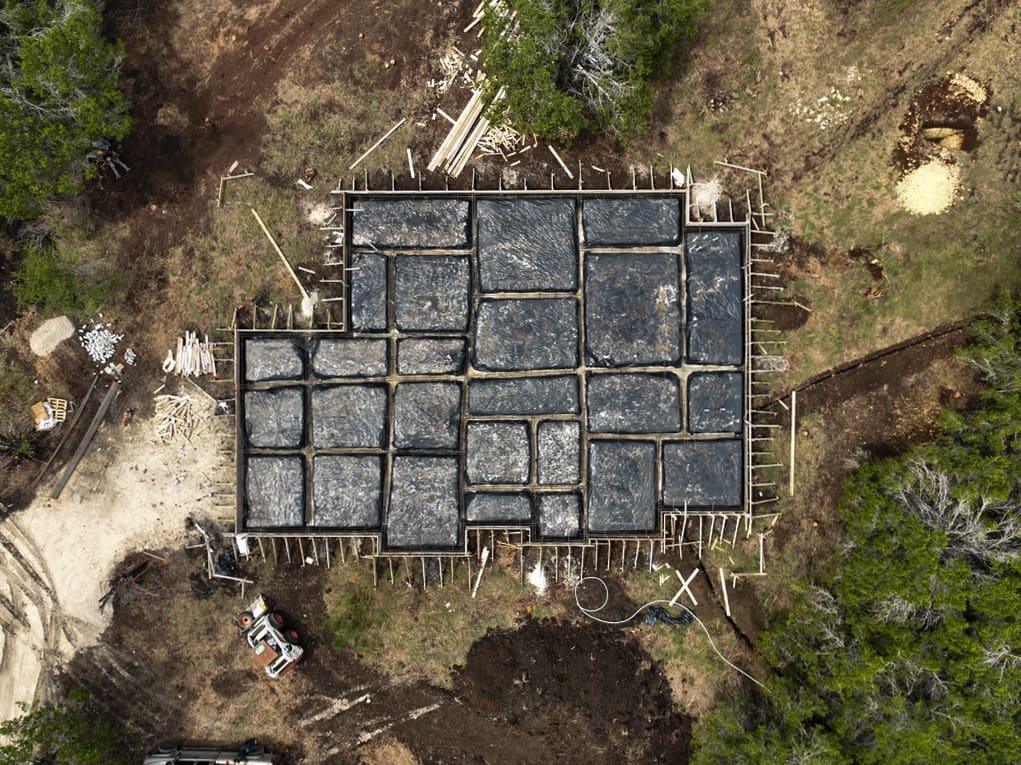
If you ask most families what they want in a new home, “more space” usually comes up within the first sixty seconds. But space without intention is just square footage — and square footage alone doesn’t make a home livable. Family-friendly custom home design in Texas is really about creating purposeful space: rooms that work the way your family actually lives, layouts that reduce friction on busy mornings, and square footage that stays useful as your kids grow up and your needs shift. That’s what Ridge Rock Builders designs for.
Why Space Is the True Luxury for Families
Marble countertops are beautiful. High-end appliances are impressive. But ask any parent what actually makes their home work, and the answer is almost always something functional: a mudroom that keeps the chaos contained, a pantry big enough to store a Costco run, a backyard that gives kids room to breathe. In the Texas Hill Country, where acreage is available and buyers are choosing to build rather than buy existing, families have the opportunity to design a home that actually fits their life — not just their Instagram feed.
True luxury, for a family, is walking through your home and knowing every room has a real purpose. It’s not wasted space. It’s not a formal dining room you use four times a year. It’s a home that works hard every single day.
How Family Needs Differ from Other Buyers
A single professional or a couple without kids might prioritize a stunning primary suite, a sleek chef’s kitchen, or a dedicated home office. Families need all of that — plus considerably more. The requirements change fast once kids enter the picture:
- Gathering space — Open-concept kitchens and living areas that can hold everyone at once, from homework time to holiday dinners
- Retreat space — Private bedrooms that offer genuine quiet away from the rest of the house
- Functional storage — Mudrooms, oversized pantries, closets with actual organization systems, and garage storage that doesn’t overflow into the house
- Outdoor room — Covered porches, safe yards, and play areas that make the outside an extension of the home, not an afterthought
- Flexibility — Rooms that adapt over time rather than locking the family into one layout for twenty years
Designing the Heart of the Home: Kitchens That Handle Real Life
In any family home, the kitchen runs the operation. It’s where the morning rush happens, where homework gets done at the island, where teenagers drift when they want to talk, and where holiday dinners come together. A kitchen designed for a family has to do all of that without feeling cramped or chaotic.
Oversized Islands and Double Prep Zones
An island large enough for four to six stools isn’t extravagant — it’s a homework station, a breakfast counter, and a gathering spot all in one. When we design kitchens for families, we think in terms of how many people will be in the room at once and what they’ll each be doing. Multiple prep zones, where two adults can cook at the same time without getting in each other’s way, are a detail that makes a massive difference in daily life.
Pantries Worth the Space
A walk-in pantry with deep shelves, good lighting, and enough floor space to stock up isn’t just convenient — for a family of four or five, it’s essential. Families who buy in bulk, meal prep on Sundays, or just want to run fewer errands need pantry space that’s proportional to how they actually shop. We design pantries that earn their square footage every week.
Details That Reduce Daily Friction
- Double dishwashers for families who cook every night
- Drawer microwave placement that keeps counters clear
- Deep, wide sinks that handle pots and pans without a fight
- Soft-close cabinets and quality hinges that hold up to years of heavy use
Mudrooms: The Unsung Hero of a Family Home
Nothing derails a well-designed entry like a pile of cleats, backpacks, and jackets with nowhere to go. A properly designed mudroom solves this problem before it starts. In our experience, mudrooms are one of the features families appreciate most — often more than rooms that sound far more glamorous.
A functional mudroom includes built-in cubbies sized for each family member, bench seating for putting on shoes, hooks at kid-friendly heights, and dedicated storage for seasonal gear. Adding a utility sink gives you a place to wash hands before coming inside, rinse muddy sports equipment, or bathe the dog after a Hill Country romp. It sounds simple, but a well-designed mudroom keeps the rest of the house dramatically cleaner and calmer.
Privacy and Togetherness: Getting the Balance Right
One of the trickier challenges in family home design is creating a home that feels connected without everyone being constantly on top of each other. Parents need a genuine retreat. Kids need enough space to spread out, make noise, and be themselves. Guests need privacy. And somehow the house needs to feel like a unified whole.
Split Bedroom Layouts
Placing the primary suite on one side of the house and the kids’ bedrooms on the other is one of the most effective things we can do for family comfort. Parents get quiet after 9 PM. Kids get a zone of their own. Everyone wins. This layout works particularly well in single-story homes, which are popular throughout the Hill Country.
Secondary Living Areas
A game room, media room, or bonus room gives kids their own hangout space, freeing the main living room for adult use in the evenings. For older teenagers especially, having a separate space they can call their own makes a real difference in household harmony. These rooms are also excellent long-term investments — they transition easily into home offices, gyms, or craft rooms as the family evolves.
Guest Casitas for Multi-Generational Living
Families who host out-of-town relatives frequently — or who anticipate parents or in-laws joining the household eventually — should seriously consider a casita. A detached guest suite offers privacy for everyone and avoids the tension that comes from extended in-law visits when there’s only one shared bathroom between them. We’ve written more about why casitas are such a smart investment for Hill Country homeowners.
Outdoor Living: The Backyard as a Second Home
Texas weather means families spend a significant portion of the year outdoors. Designing the outdoor spaces with the same intentionality as the interior pays off in how much the whole family uses and enjoys the property.
Covered porches in the Hill Country aren’t optional — they’re the feature that makes the outside livable from March through November. A covered porch with a ceiling fan and proper orientation can drop the perceived temperature by 10 to 15 degrees compared to an uncovered patio. Add an outdoor kitchen and it becomes the primary entertaining space for half the year.
Wide, shaded yards give kids room to run. Pool designs that include shallow entry areas and tanning ledges make the water accessible to all ages. Outdoor spaces that feel designed — rather than whatever was left over after the house was built — become the place the whole family gravitates toward.
Designing Space That Grows With Your Family
The best family homes are designed with a ten-year lens, not just today’s needs. That means thinking about what the home will look like when your youngest is in high school, when parents come to stay for months at a time, when remote work becomes permanent, or when you want to host your kids’ families for the holidays.
- Office space — Remote and hybrid work isn’t going away. A dedicated home office that’s separate from the bedroom is worth every square foot.
- Multi-generational flexibility — A casita, bonus room, or accessible primary suite on the ground floor opens up options for aging parents or adult children.
- Adaptable rooms — Game rooms that can become home gyms. Playrooms that can become offices. Design with transitions in mind.
- Outdoor structures — Barns, workshops, and covered equipment storage add flexibility as hobbies, animals, and acreage projects evolve.
When space is designed thoughtfully, it becomes an investment in both your lifestyle and your financial future. Our completed projects showcase homes we’ve designed with exactly this kind of long-range thinking built in.
The Ridge Rock Approach to Family Home Design
We’ve built family homes throughout Dripping Springs, Lakeway, Wimberley, and across the Hill Country, and every one of those projects started with the same conversation: how does this family actually live? The sports gear, the Sunday dinners, the three kids and two dogs and the in-laws coming for the holidays. Real life isn’t abstract, and the homes we design shouldn’t be either.
We don’t design rooms for floor plans — we design rooms for people. That difference shows up in every detail, from the height of the mudroom hooks to the depth of the pantry to the orientation of the porch. If you’re ready to design a home that truly fits your family, we’d love to start that conversation.
Frequently Asked Questions
What does “family-friendly” mean when designing a custom home in Texas?
Family-friendly design means creating intentional space that works for real daily life — not just impressive-looking rooms. It includes things like mudrooms to contain the entry chaos, open kitchens large enough for multiple people to use at once, split bedroom layouts for privacy, flexible rooms that adapt as kids grow, and outdoor spaces designed for active family living.
How much square footage does a family home actually need?
There’s no universal answer, but a family of four to five typically does well with 2,800 to 4,000 square feet — depending on whether a casita, bonus room, or dedicated office is included. More important than the total square footage is how it’s laid out. A well-designed 3,000-square-foot home feels larger and functions better than a poorly designed 4,000-square-foot one.
Should we build a casita now or add it later?
Building during initial construction is almost always more cost-effective than adding it later. Running utilities, matching exterior materials, and coordinating the work adds significant cost when done as a separate project. If you think you might want a casita within the next five to ten years, we generally recommend building it upfront or at minimum designing the main house so the addition is straightforward.
What are the most popular outdoor features for Hill Country family homes?
Covered porches with ceiling fans are nearly universal. Pools — especially with shallow entry areas for young kids — are extremely popular. Outdoor kitchens with grills or smokers, fire pits, and sport courts are all common requests. The Hill Country lifestyle lends itself strongly to outdoor living, and families who invest in these spaces use them constantly.
Can Ridge Rock Builders design a home that works for both kids and entertaining adults?
Absolutely. In fact, that’s one of the core design challenges we navigate on almost every family project. The solution usually involves thoughtful zoning — keeping the kids’ areas separate from the adult entertaining areas, providing secondary living spaces, and designing outdoor areas that serve both. It’s not a compromise; it’s a design problem with a very good solution.
How do I get started designing a custom family home with Ridge Rock Builders?
The first step is a conversation. Call us at (512) 294-9579 or visit our build estimate page to share some details about your project. From there, we’ll talk through your land, your timeline, your budget, and how your family lives — and start shaping a design that fits all of it.
Ready to Start Your Project?
At Ridge Rock Builders, we specialize in custom homes, remodels, barns, shops, and casitas throughout the Texas Hill Country. Whether you’re still exploring your options or ready to break ground, we’d love to talk.
Get a free build estimate or call us at (512) 294-9579 to start the conversation.